A Brief History of 떡 🍡
It's a simple, elegant, and trendy item in Korea that has an incredibly delicious history.
Ah, the humble rice cake (떡) is something that is quintessential in Korea. Every day there are approximately *checks notes* at least 22 rice cakes eaten in Korea. (Okay, it’s a lot of rice cakes)
떡 shows up at every Korean occasion — 설날, 추석, a child's first birthday — and it used to be customary to gift some 떡 when someone moved into a new place to introduce themselves to the neighbors. It is so intrinsic to Korean culture that 떡 making has been designated as a national intangible cultural heritage by Korea!
And given that it is incredibly trendy right now to have something called 버터떡 (which is absolutely not 떡), it’d be cool to explore the history of the simple, little rice cake.
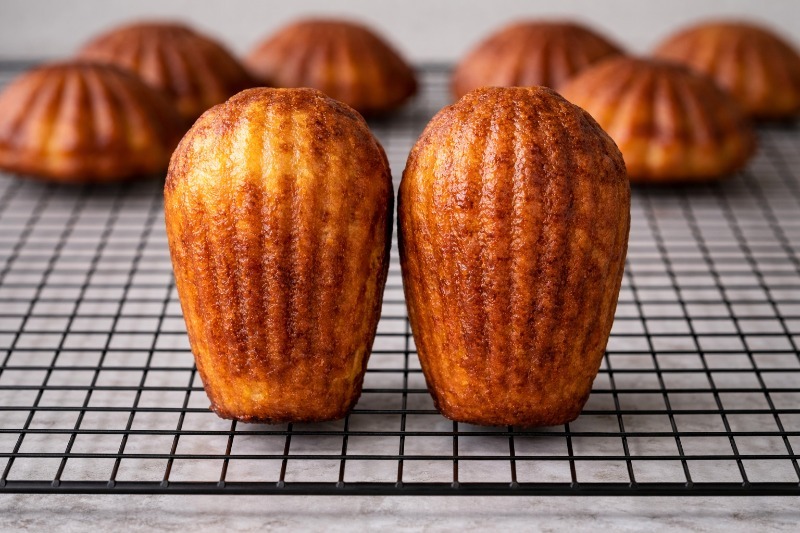
They look great, but honestly a C+ taste-wise
떡 goes all the way back to prehistoric times, like 7th to 8th centuries B.C., where there were only basic tools that allowed for the grinding of the rice flour.

Kind of like this. Taken at the Korean National Museum
By the Goryeo Dynasty, varieties like 설기떡 and 인절미 had become well-established where 설기떡 was considered among the finest foods, and 인절미 appears in Goryeo ritual food records.
That’s right. The same roasty, sweet 인절미 that you’ll find on 빙수 like below was created over 800 years ago.
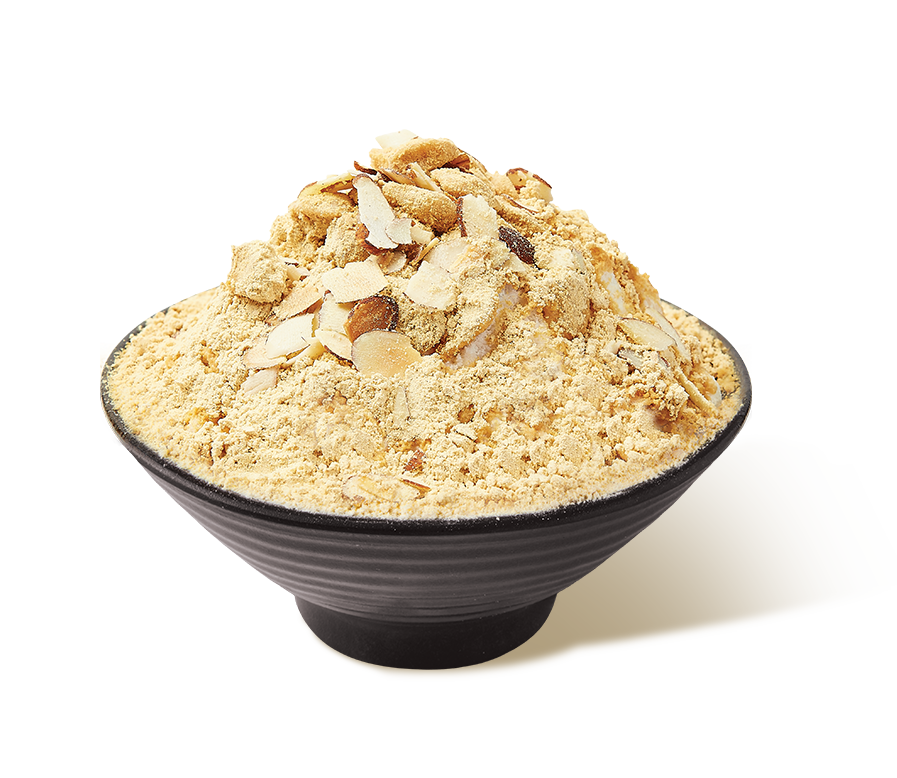
인절미 빙수
During the Joseon Dynasty is where 떡 started to become used for different celebrations. While occasions and type of 떡 might have been different, the use of 떡 for special occasions is still very present in modern-day Korea.
On 설날, families eat 떡국 (떡 soup), sliced rice cake coins simmered in a clear broth. Eating a bowl means you've aged one year, so kids are eager to have seconds while adults joke about skipping theirs.
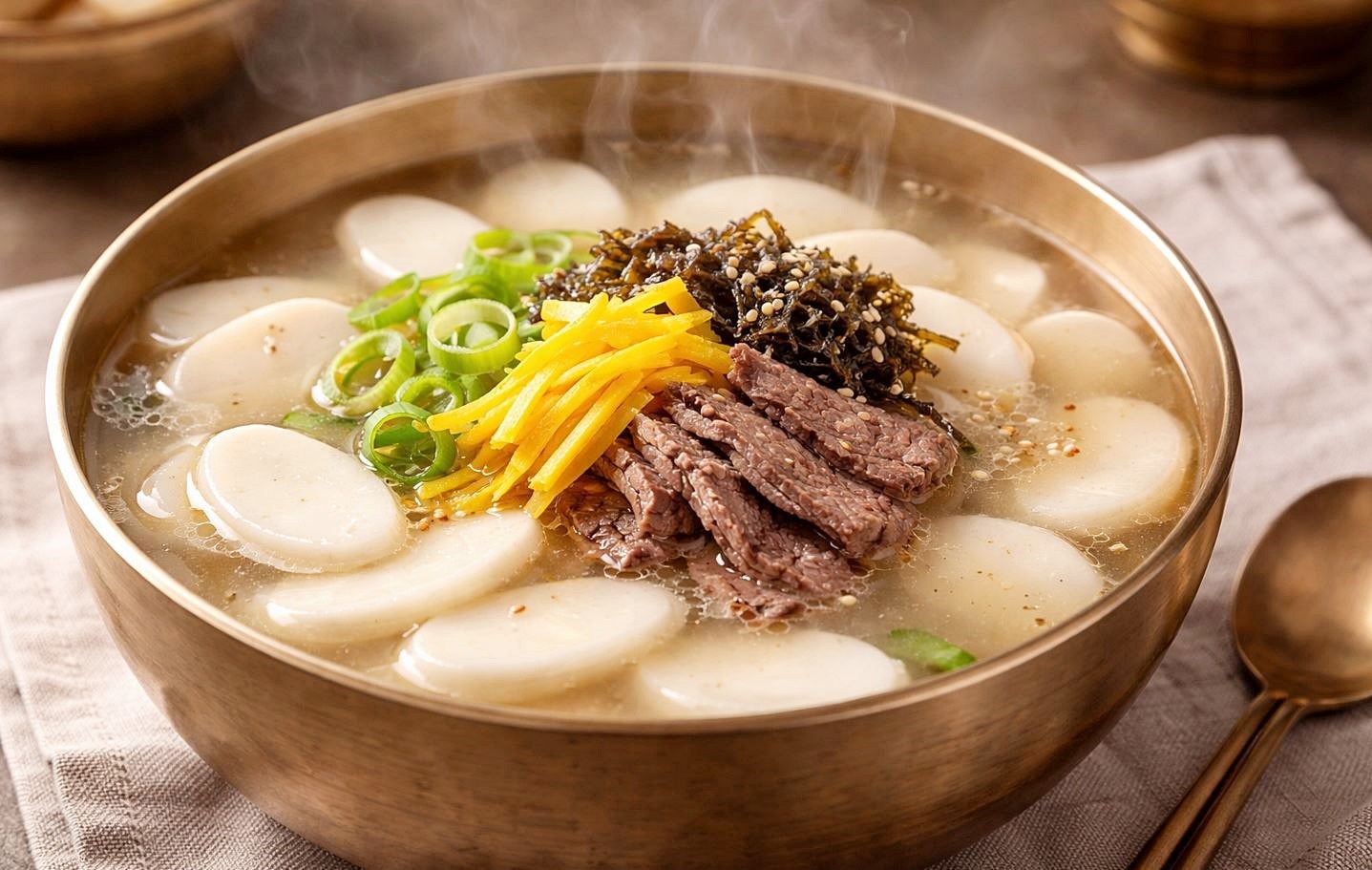
I'll eat bowls of 떡국 even if my age goes up
추석 calls for 송편, small half-moon rice cakes stuffed with sesame seeds, sweetened red beans, or chestnuts, then steamed over a bed of pine needles. There's a well-known saying that whoever shapes their 송편 beautifully will have a beautiful child, so it quietly turns into a competition at the family table. (okay, not really, but it is the free-spot on a bingo card of things people say while making 송편 during 추석)
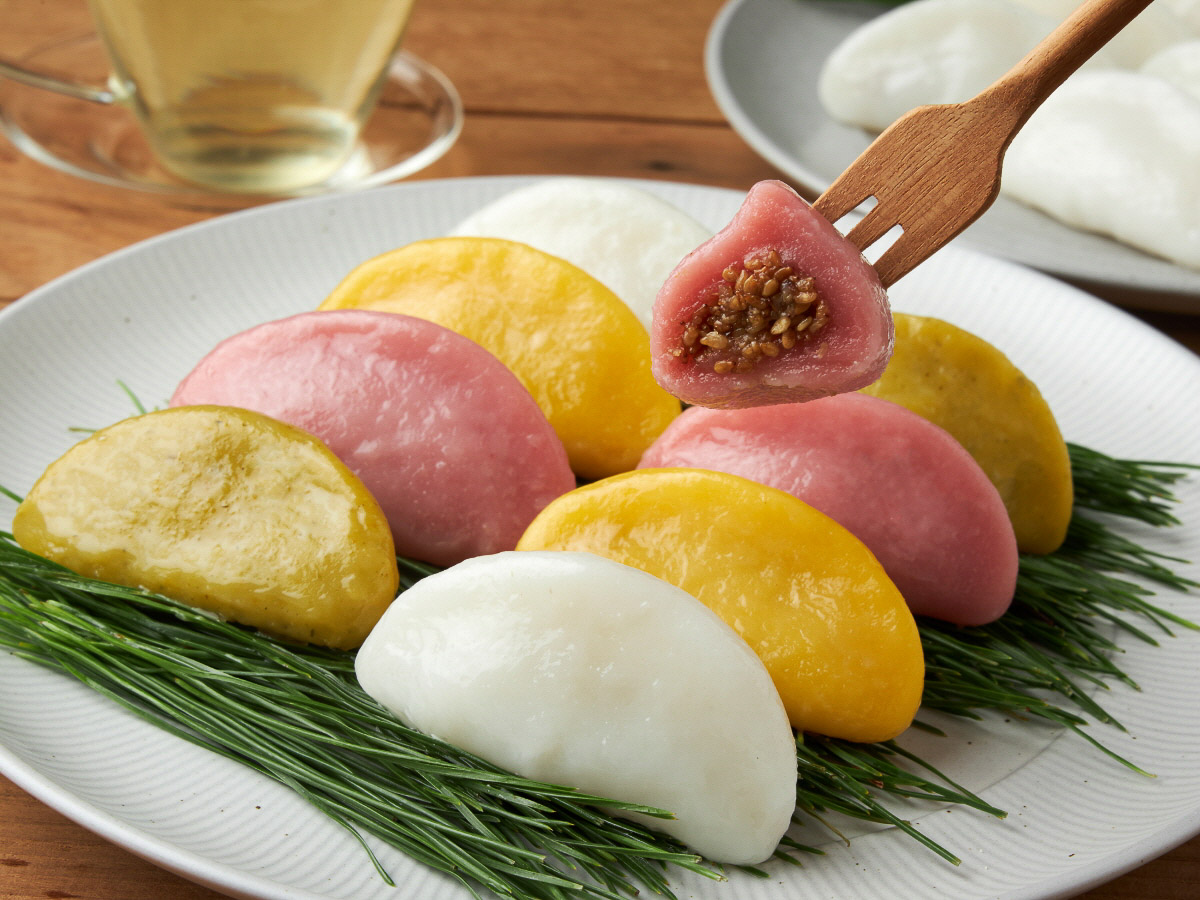
We can rip through at least 100 of these easy
For a child's 돌 (first birthday), 백설기 is the standard. It's a pure white steamed rice cake with no filling or coloring, and that plainness is the whole point because white represents purity and a clean, healthy future for the baby. It's typically stacked high on the 돌상 alongside fruit and other offerings.
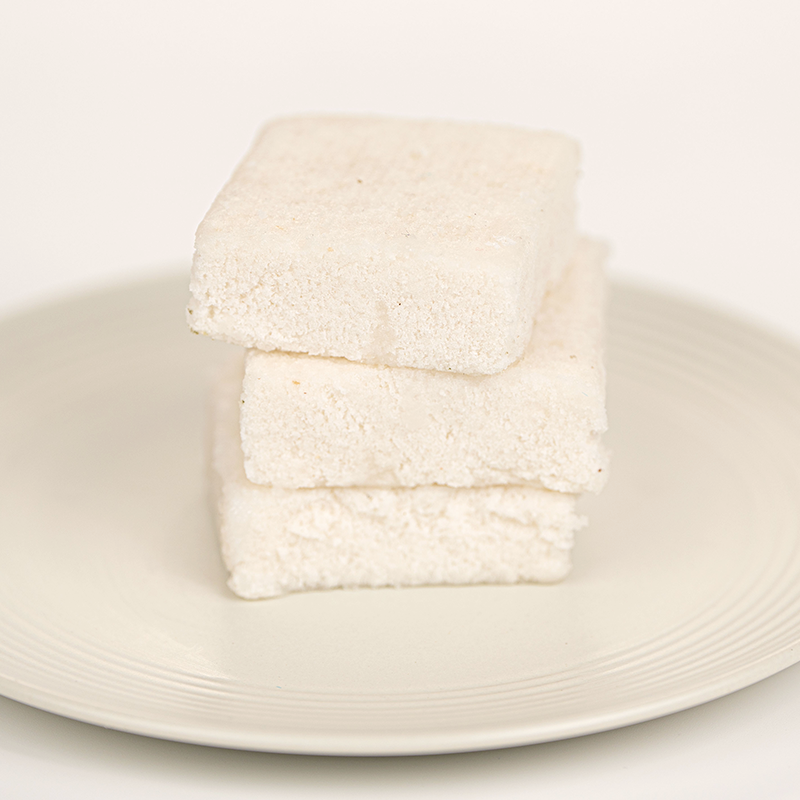
Is it 두부 or 떡?
When someone moves into a new home, 팥시루떡 is the traditional choice to share with neighbors. It's layered with sweetened red bean powder, and the red color of the 팥 is believed to ward off bad energy. Typically when you move in, you’ll go door-to-door giving your neighbors some of this (analogous to cookies or brownies in the US) to introduce yourself!

Looks like chocolate 떡, but it's not
Enjoy this newsletter?
Subscribe to Daily Tokki Korean Learners to get new posts delivered to your inbox.